
Moldavite the Popular New Gemstone
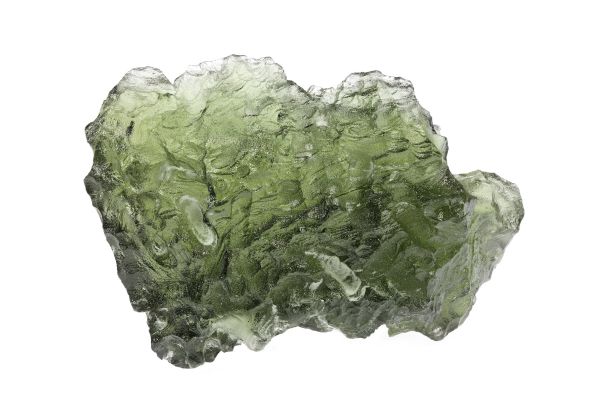
The moldavite gemstone is widely attractive because of its vibrant green color. It has a high content of silica and is sharper than glass; consequently, it is often used as a substitute for emerald.
Shop while you read
Shop the stones in this story
Available pieces connected to Moldavite, Aquamarine, Emerald.

Aquamarine Dual Bracelet. Hand-Selected Gemstone Bracelet for Everyday Wear, Crystal Energy Jewelry and Meaningful Gifting
Detailed dimensions by size

Banded Aquamarine and Agate Copper Tree. Gemstone Tree of Life Decor for Home Energy, Desk Display and Crystal Gifting
Detailed dimensions by size

Aquamarine Point. Polished Gemstone Tower for Crystal Energy Decor, Meditation Spaces and Statement Display
Detailed dimensions by size

Aquamarine Stone Pendant. Hand-Selected Gemstone Jewelry for Everyday Energy, Layered Styling and Meaningful Gifting
Detailed dimensions by size

Emerald Pendant. Hand-Selected Gemstone Jewelry for Everyday Energy, Layered Styling and Meaningful Gifting
Detailed dimensions by size

Emerald on Stand. Statement Gemstone Display on Stand for Collector Decor, Meditation Spaces and High-Impact Gifting
Sizes S–L
Detailed dimensions by size
Properties of Moldavite
Moldavite was first discovered in the Moldau Valley region of Czechoslovakia in 1848, but it wasn’t until the late 1980s that moldavite came into wide popularity. The moldavite gemstone comes in two varieties: one which tends to be mold colored and another that tends to be teal-colored.
The mold variety tends to be more lustrous, while the teal variety actually resembles an aquamarine and can change shades from day to day or even within the same day depending on the light.
Moldavite is a moldavite tektite, which was formed 25 million years ago from a meteor impact that covered sand and minerals on its way to Earth. The moldavites are found in the Western Bohemia region of the Czech Republic and near Velký Karlov (also known as “Big Carlsbad”), located in western Czechoslovakia.
Where can you get Moldavite?
If you’re looking for moldavite gemstones, there are many different options available.
Moldavites can be found at most jewelry stores or jewelers that have an interest in stones. Some even specialize in moldavite specifically (such as The Center For Gemstone Education ). A moldavite is a rare find these days due to its popularity and high price tag, so if you do manage to come across one, consider yourself lucky! Also, keep your eyes out for fun moldavite pendants and earrings. Fun fact– moldavites come in various colors as well. You’ll be able to find moldavites in aqua, green, yellowish-brown, and white!
Are moldavites expensive?
Yes. Moldavites are extremely valuable because they’re so rare and hard to come by so you’ll likely have to pay a pretty penny for one of your own.
The pricing depends on the type of moldavite as well. For example, moldavite nuggets are less popular than moldavite shards or moldavite chips because moldavites are rarely found in their original form – the moldavite is usually weathered and worn down over time so moldavite nuggets tend to be less impressive.
Statistically, moldavite shards and chips can go anywhere from $10 to $1000 depending on their size, color, quality, and origin.
How do you clean moldavites?
Since moldavites can be very sharp, they should not be cleaned with harsh chemicals. Moldavites will also break easily if they’re mishandled which is why a delicate touch is needed when cleaning it. A good way to clean moldavites is using a soft toothbrush or cotton swabs soaked in warm water mixed with mild soap to gently remove dirt and grime.
Find Moldavite at Laterra Gems
If you’re looking to purchase moldavite for your home décor, or maybe for a piece of jewelry, Laterra Gems has exactly what you need! We’ve got moldavite in all shapes and sizes, so you’re sure to find what you’re looking for!
Related pieces
Continue shopping
Continue with available pieces selected for Moldavite, Aquamarine, Emerald.
Aquamarine Dual Bracelet. Hand-Selected Gemstone Bracelet for Everyday Wear, Crystal Energy Jewelry and Meaningful Gifting
Detailed dimensions by size
Banded Aquamarine and Agate Copper Tree. Gemstone Tree of Life Decor for Home Energy, Desk Display and Crystal Gifting
Detailed dimensions by size
Aquamarine Point. Polished Gemstone Tower for Crystal Energy Decor, Meditation Spaces and Statement Display
Detailed dimensions by size
Aquamarine Stone Pendant. Hand-Selected Gemstone Jewelry for Everyday Energy, Layered Styling and Meaningful Gifting
Detailed dimensions by size
Emerald Pendant. Hand-Selected Gemstone Jewelry for Everyday Energy, Layered Styling and Meaningful Gifting
Detailed dimensions by size
Emerald on Stand. Statement Gemstone Display on Stand for Collector Decor, Meditation Spaces and High-Impact Gifting
Sizes S–L
Detailed dimensions by size